
Published May 5, 2023 · Updated October 18, 2026
Reading Massage Research Carefully
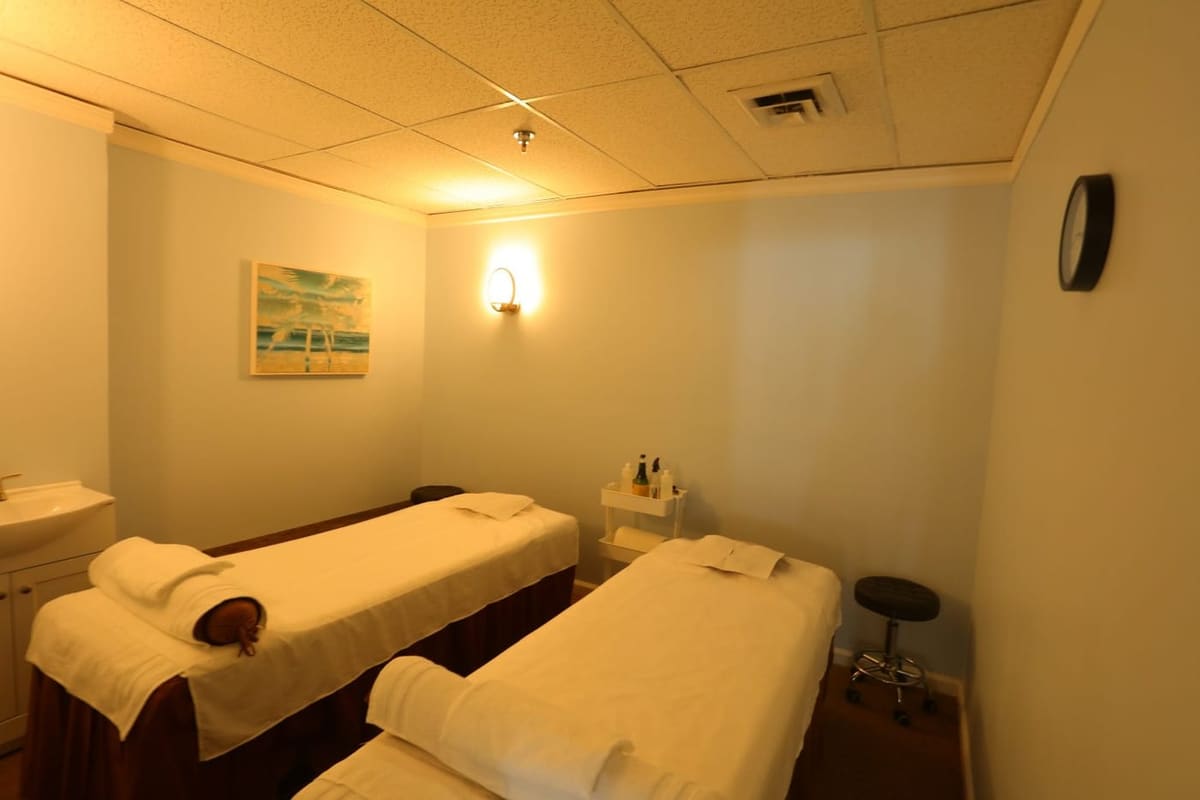
Research can help answer a specific question about massage, but a study result is not a promise about every person, technique, or appointment. Reading carefully means looking beyond a headline.
A practical reading checklist
Before accepting a broad claim, find the original source and ask what it actually says. Check the population, technique, comparison, outcome, follow-up, and limitations. Look for corrections or retractions and whether the finding is being repeated accurately. If an article cannot be located, that gap should not be filled with a convincing-looking citation.
A simple phrase such as “may help” does not resolve those questions. The wording still needs a basis that fits the claim. Uncertainty should be represented honestly rather than used to make an unsupported promise sound cautious. Record the source title, publication date, and link so you can revisit the item rather than rely on an unattributed summary.
Start with the question, not the headline
A study is designed around a question. Before applying its findings to a different setting, identify who took part, what technique was used, how many appointments were given, and what was measured. A result involving one population is not automatically a description of what every studio visitor should expect.
Also check the comparison. Was the massage compared with another activity, usual care, or a group that received no similar attention? The comparison helps define the question the study can answer. It does not turn the article’s conclusion into a guarantee for a different service.
A review and an appointment answer different questions
A client review can describe a person’s impression of a visit. It cannot establish whether a medical effect occurred, why it occurred, or what another person will experience. A studio can preserve genuine reviews while avoiding the promotion of anecdotes as evidence for clinical outcomes.
When deciding whether to book, use practical information about services and preferences. When deciding what to do about a health concern, seek qualified advice. Reading research carefully supports that distinction; it does not turn every study into permission for a stronger advertising headline.
Separate a possible explanation from a demonstrated outcome
A paragraph about what a technique feels like describes an appointment. A paragraph proposing how it might affect a body process describes a mechanism or theory. Neither alone establishes that the service produces a particular health outcome.
When reading, look for the measured result and the limits the authors actually state. Do not fill missing evidence with an appealing story about hormones, energy, or tissues. A technical-sounding explanation can still leave the central question unanswered.
Look at time, uncertainty, and the whole evidence picture
Ask how long people were followed and whether the finding concerns a feeling reported immediately afterwards or something assessed later. A short follow-up cannot by itself establish a long-lasting result. A small study also needs to be read in the context of other work, rather than selected because one number makes an attractive headline.
Check whether a source is a single study, a review of multiple studies, a general information page, or an individual’s account. Each can be useful for a different purpose. Avoid treating them as interchangeable or assuming that adding a citation makes any wording accurate.
Use educational information differently from a service menu
A reader can learn about research without using an article as a personal treatment recommendation. NCCIH’s massage overview describes limitations in evidence for several studied conditions. For questions about your own health, speak with a qualified provider.
Our service menu has a narrower role: explaining techniques, setup, prices, and appointment lengths. Use those details to understand a visit. A booking page should not turn a limited study or a testimonial into a promised clinical result for everyone who reserves.