
Published May 19, 2026 · Updated October 18, 2026
Do You Prefer Focused or Flowing Massage?
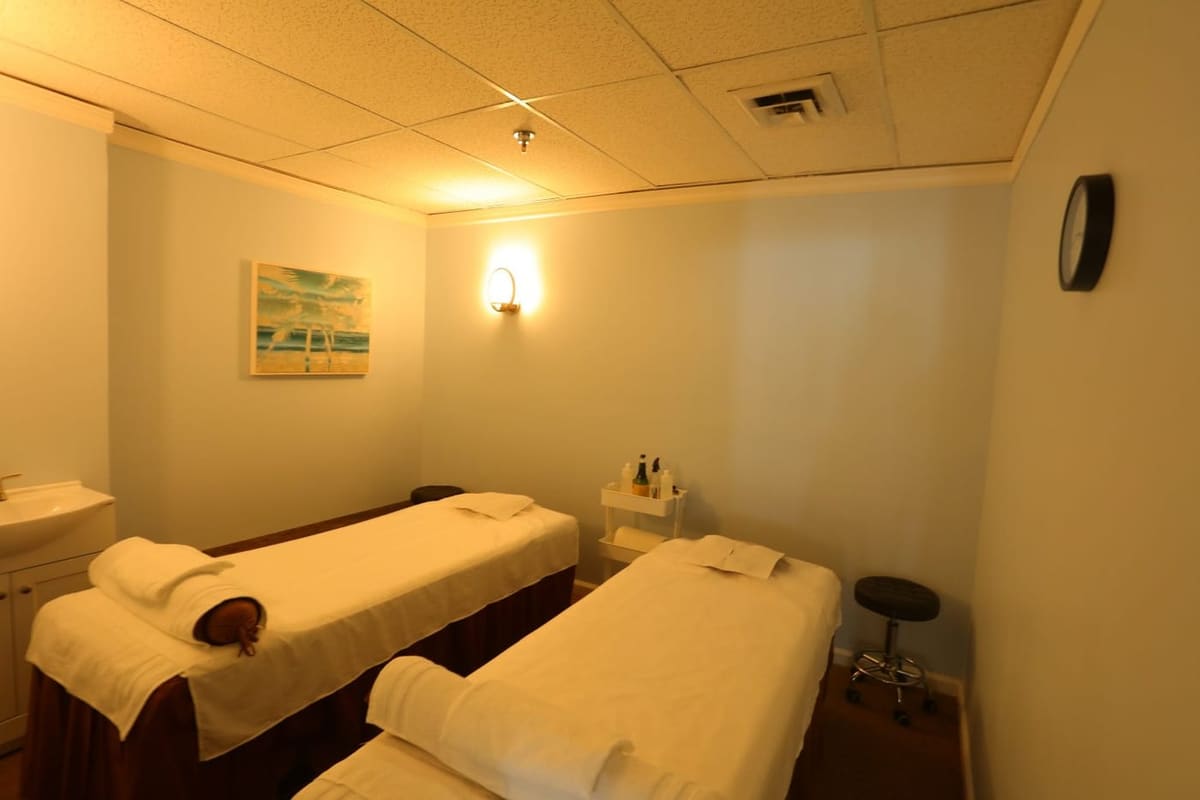
You do not need to choose the firmest massage to have a worthwhile visit. A useful starting point is the kind of touch you enjoy: broad flowing strokes, slower focused pressure, or a mix.
Turn an everyday phrase into a clear preference
People use words such as “knots” in different ways. For booking purposes, describe where you would like attention and what kind of touch you enjoy rather than treating that word as a diagnosis. Ask the therapist to explain the proposed techniques in ordinary language.
You can request focused time in an area without expecting a hidden structure to be found or broken apart. The appointment description should stay with the touch and plan you can understand, especially when a broader explanation about tissues has not been established.
What focused pressure means
Deep tissue sessions use slower, focused pressure, with the areas of attention discussed before the massage. The style name describes an approach to touch; it does not tell you how intense every part of the appointment must be. Different guests can prefer different levels of pressure within the same menu option.
Explain whether you want time across several areas or more attention in one place. “More time on my shoulders, lighter around my neck” gives the therapist a practical starting point. You do not need to identify a muscle or name a technique to describe what you enjoy.
You do not have to prove you can handle pressure
An appointment should not become a challenge to endure the strongest touch. Tell the therapist when you want less pressure, a pause, or a different area. A menu name does not remove your ability to change the plan.
If your preference is mostly for flowing strokes, compare Swedish rather than booking focused work because it sounds more effective. If the reason for your visit is a persistent symptom, discuss that with a qualified health professional before treating a studio session as the solution.
Comparing focused work with flowing strokes
Swedish massage emphasizes flowing strokes and kneading. Deep tissue places more emphasis on focused pressure. You may enjoy one style, or prefer elements of both. Ask about a combo appointment if you would like to discuss a mixture rather than selecting only by the name on the booking screen.
The comparison is about the feel and pace of the visit. Neither menu name determines what will happen for someone with a particular symptom. If the reason you are comparing services is a health concern, bring that question to your health care provider and use the studio conversation to clarify the appointment details.
Giving feedback while the session is happening
Speak up early if you want a change. You can request less pressure in an area, a slower pace, or a shift to another part of the agreed session. Feedback is useful even when something is going well: telling the therapist that a particular touch feels comfortable helps communicate your preference.
There is no need to endure an uncomfortable technique to finish a booking. You can ask for a pause or end the session. Before starting, ask the therapist to explain anything unfamiliar, including how you will be positioned and which areas are planned.
Lengths, prices, and practical choices
Our deep tissue menu lists 60 minutes for $60 and 90 minutes for $90. Swedish is listed at $60 for 60 minutes and $85 for 90 minutes. Confirm the service and price when reserving, particularly if you want to combine styles or request an inclusion.
Choose a length that fits your preferred areas, schedule, and budget. An occasional visit is a valid choice; booking a series is not required to enjoy a massage. For a future appointment, note which pressure and techniques you liked rather than assuming the next session needs to be firmer.
Describe rather than diagnose
Tell your therapist where you would like more attention without expecting them to identify a hidden problem. Requests about pressure and areas of focus help shape the appointment.
Compare two menu styles
Swedish emphasizes flowing strokes and kneading. Deep tissue emphasizes focused pressure. Ask about a combo session if you enjoy elements of both.
Try the choice that suits you
Review Swedish, deep tissue, and combo massage. You can change your preferences on a later visit.